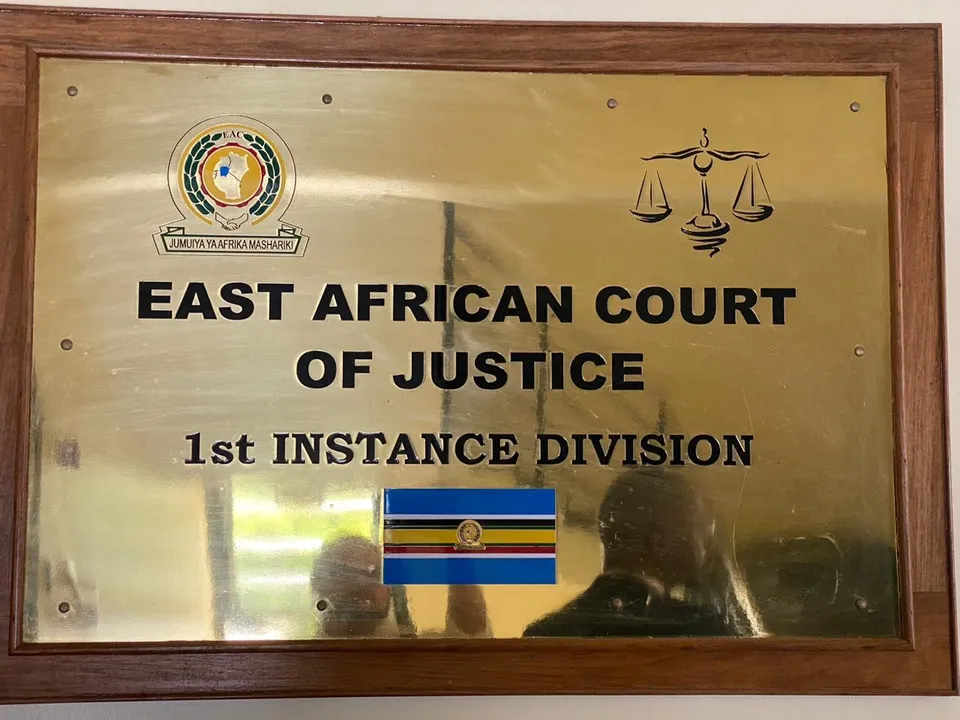
GAROWE, Somalia, Nov. 12, 2026 — Somalia’s former Supreme Court Chief Justice Baashe Yusuf Ahmed and six other judges have reportedly filed a case at the East African Court of Justice (EACJ), challenging their removal from office amid a widening dispute over judicial independence and presidential authority.
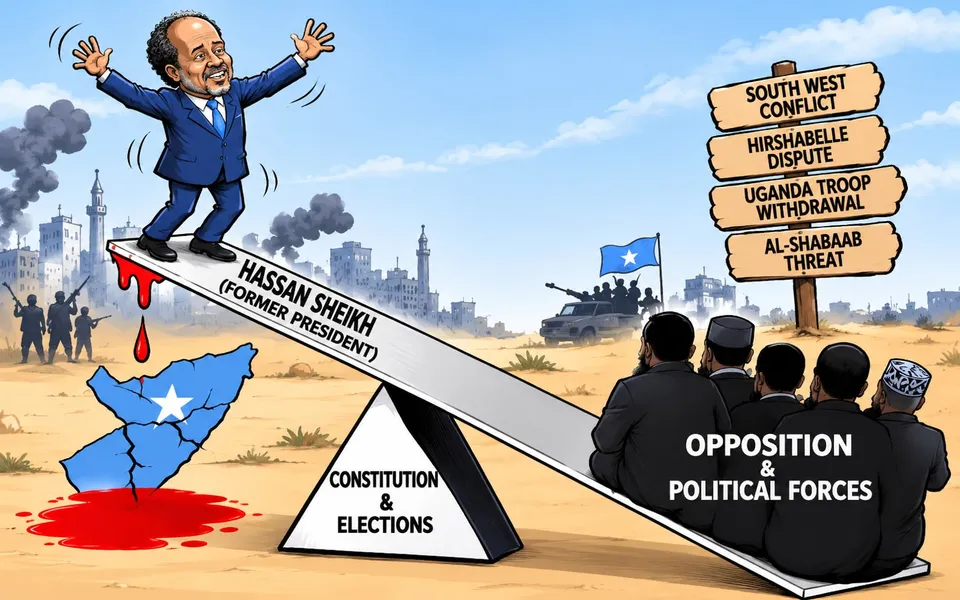
The reported legal action follows a controversial decision by former President Hassan Sheikh Mohamud to remove the chief justice and appoint a replacement, triggering questions about the constitutional powers governing appointments and dismissals within Somalia’s highest court.
According to reports published on November 11, the judges allege that the removals violated constitutional protections for judicial independence. Their complaints reportedly include interference in the judiciary and alleged intimidation of judicial officials.
The case has not yet been independently verified through an official EACJ filing or published case number, and it remains unclear whether the court has formally registered the proceedings.
The dispute comes amid broader political tensions over constitutional amendments, the legitimacy of federal institutions and the division of powers between Somalia’s executive and judiciary.
Somalia joined the East African Community in 2024, bringing it within the regional bloc’s legal framework. The EACJ, based in Arusha, Tanzania, has jurisdiction to interpret and apply the East African Community Treaty, including provisions concerning the rule of law and good governance.
The reported filing is not the first attempt to bring Somalia’s constitutional disputes before the regional court. Somali lawmaker Abdillahi Hashi Abib has also pursued legal proceedings involving the federal government and constitutional questions.
The court’s ability to consider the latest dispute will depend on the claims submitted, its jurisdiction and the applicable provisions of the EAC Treaty. Filing a case does not establish that the allegations are true or that the court has accepted jurisdiction.
The reported proceedings could add a regional legal dimension to Somalia’s continuing institutional crisis, although no hearing date or judicial ruling has been confirmed.
Share this story