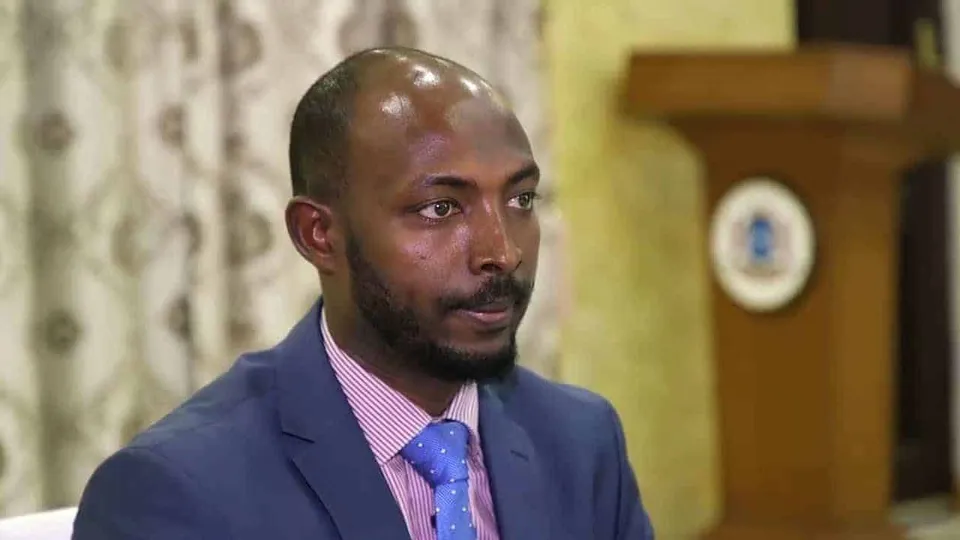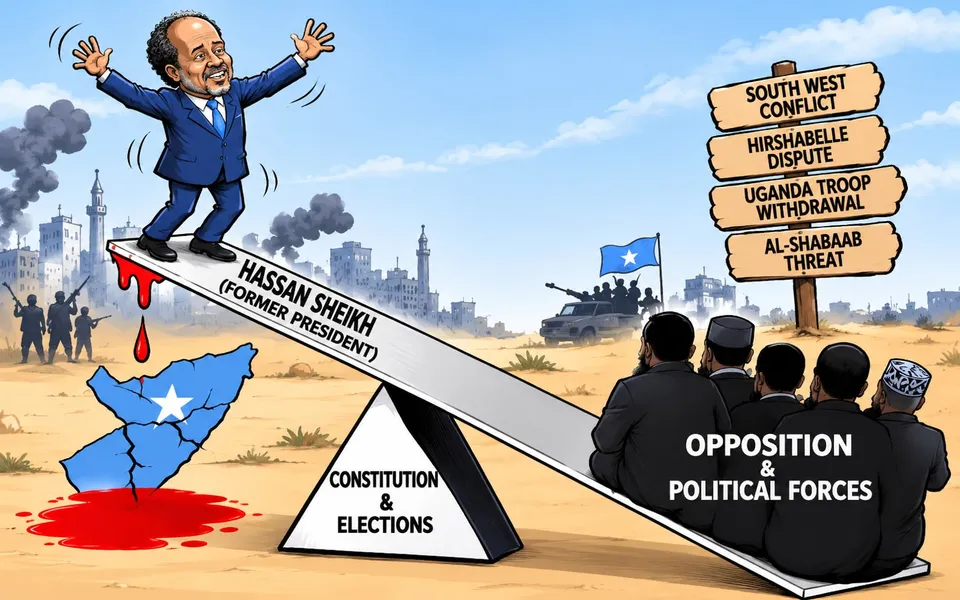
MOGADISHU, Somalia — Former Somali President Hassan Sheikh Mohamud has begun efforts to engage opposition leaders in political talks amid mounting disputes over his unilateral election plans and controversial constitutional amendments.
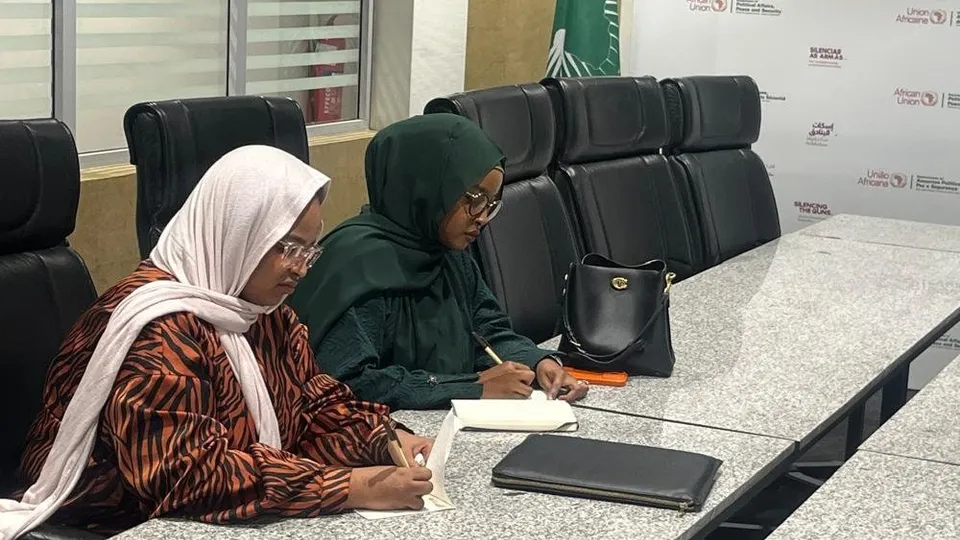
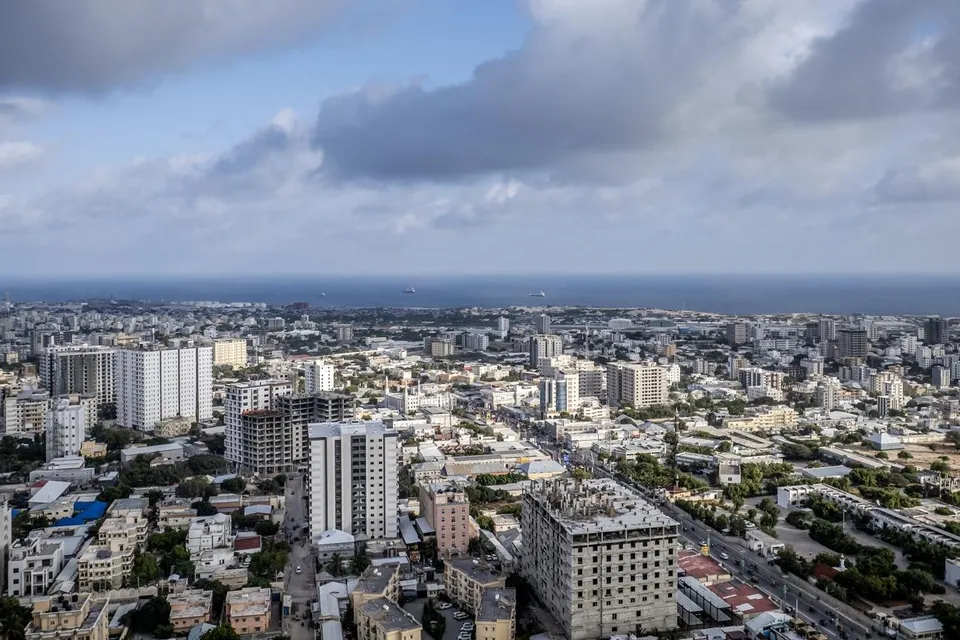
Reports emerging on November 10 indicate that senior security officials, including National Intelligence and Security Agency (NISA) Director Mahad Salad, met members of the Somali Future Council in Mogadishu. The meeting reportedly took place at the residence of former Prime Minister Mohamed Hussein Roble, where discussions focused on the country’s deteriorating political and security situation.
The outreach comes as Somalia faces growing instability across several regions.
In South West State, the administration of President Abdiaziz Laftagareen collapsed after forces deployed from Mogadishu seized Baidoa and removed him from office. Aden Madobe, the former speaker of Somalia’s House of the People, was subsequently installed to lead the new administration.
Forces loyal to former South West State President Laftagareen have since launched repeated attacks around Baidoa, capturing several surrounding areas and raising fears of further confrontation.
The political turmoil has also created opportunities for Al-Shabaab militants, who have carried out major attacks against federal forces operating near Burhakaba. Reports indicate that government troops lost weapons and an unspecified number of personnel, although the extent of the losses remains unverified.
Meanwhile, Ugandan troops have begun withdrawing from Somalia, particularly those deployed under a bilateral security arrangement. Reports suggest Kampala has grown concerned about the potential loss of its soldiers in operations against Al-Shabaab, although that explanation has not been independently confirmed.
The withdrawal has raised concerns about security in Mogadishu, particularly in defensive positions previously maintained by Ugandan forces. Somali federal authorities have said Ugandan troops serving under the African Union mission will remain in the country.
In Hirshabelle State, a disputed election backed by former President Hassan Sheikh has triggered political unrest in the Hiran region. Local clans and traditional leaders have rejected the re-election of Ali Gudlawe, prompting protests and political mobilization in Beledweyne.
Hassan Sheikh subsequently proposed relocating Hirshabelle’s capital to Hiran, but the suggestion drew opposition from several political figures, including former NISA Director Abdullahi Sanbalolshe.
The country’s constitutional dispute has also intensified following the dismissal of former Supreme Court Chief Justice Baashe Yusuf Ahmed and disagreements over the legitimacy of federal institutions whose mandates opponents say have expired.
Opposition leaders argue that former President Hassan Sheikh no longer has the constitutional authority to pursue unilateral elections or implement constitutional amendments without a broader political agreement. Hassan Sheikh and his supporters, however, continue to defend their electoral and constitutional agenda.
The latest political outreach in Mogadishu comes as Hassan Sheikh remains firm in his position on the disputed elections and constitutional changes.
Although a consultative conference has been scheduled in Mogadishu from November 14 to 18, it remains unclear whether the former president is prepared to make political concessions that could lead to an inclusive settlement.
The central question is whether the meetings between senior security officials and opposition leaders represent the beginning of genuine negotiations or an attempt to ease the growing political pressure on Hassan Sheikh as Somalia’s security and political challenges continue to deepen.
GO WORLD
Share this story