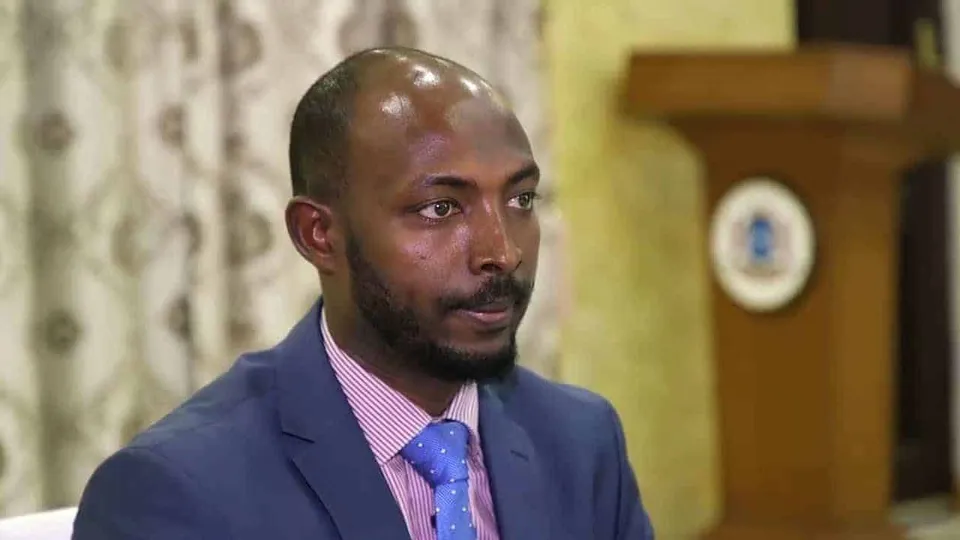
Somalia’s ousted Supreme Court Chief Justice, Bashe Yusuf Ahmed, on Saturday rejected President Hassan Sheikh Mohamud’s decision to remove him from office, describing the move as unconstitutional and accusing the government of deploying hundreds of security personnel around the Supreme Court and intimidating judges.
Speaking at a news conference in Mogadishu, Ahmed linked his dismissal to a series of politically sensitive court decisions, including a dispute over elections in Galmudug state and a constitutional case concerning the tenure of federal government institutions.
Ahmed said the Supreme Court had acted within its constitutional mandate by hearing a petition filed by a Somali citizen, arguing that the judiciary has a duty to interpret the law and adjudicate disputes regardless of their political implications.
He said the court issued a ruling concerning the government’s term of office on the same day the presidency announced his dismissal.
Constitutional dispute over removal
Ahmed argued that the president has no unilateral authority to dismiss the Supreme Court’s chief justice.
Citing provisions of the constitution approved by the government, he outlined a four-stage removal process requiring a two-thirds recommendation from the Judicial Service Commission, followed by separate approvals from both houses of parliament through secret ballots, with each chamber requiring a majority of half its members plus one.
Only after completing those procedures, he said, could the president issue a formal dismissal decree.
“I am not defending the position because I hold it. I am defending the law that protects the office so that it can protect whoever lawfully occupies it tomorrow,” Ahmed said.
He maintained that none of the required procedures had been followed and that he would accept removal only through a lawful constitutional process.
Security deployment and intimidation allegations
Ahmed accused the government of deploying approximately 300 security personnel and 30 armed military vehicles around the Supreme Court, including members of the military, police, intelligence services and custodial forces.
He further alleged that the court’s internet systems, official Facebook pages and email accounts had been compromised.
“They acted like a mafia, not like a government,” Ahmed said, describing what he alleged was a campaign of intimidation against Supreme Court judges and staff.
Ahmed said he no longer felt safe in Mogadishu, warning that the situation threatened judicial independence and the ability of courts to operate without political pressure.
The allegations concerning the deployment, cyber intrusions and threats could not be independently verified.
Swearing-in of new chief justice
Asked about the swearing-in of his replacement, Ahmed questioned the legality of the appointment, arguing that an oath cannot validate an appointment made outside constitutional procedures.
He also rejected accusations that the Supreme Court was acting on behalf of a foreign country, calling such allegations an insult to the judiciary and Somalia’s national institutions.
Ahmed said the dispute was not about retaining his position but protecting the independence of the courts and the principle that no individual, including the president, stands above the law.
Call for withdrawal of security forces
Ahmed called on President Mohamud to reverse the dismissal, withdraw security personnel from the Supreme Court and end what he described as threats and intimidation against judicial officials.
He also urged the president to prioritize national unity and political reconciliation, expressing concern about security conditions in Mogadishu and developments in Beledweyne.
The presidency had previously attributed Ahmed’s dismissal to complaints concerning judicial administration and the functioning of the courts.
The confrontation has intensified Somalia’s constitutional and political dispute, raising questions over presidential authority, judicial independence and the legal procedures governing the appointment and removal of senior judges.
Editorial note: Both articles are based primarily on the two Somali-language transcripts supplied, with previously reported context. The constitutional procedure and security allegations are attributed to Ahmed rather than presented as independently established facts. The wording of the constitutional provisions has not been independently verified for this article.Saturday rejected President Hassan Sheikh Mohamud’s decision to remove him from office, describing the move as unconstitutional and accusing the government of deploying hundreds of security personnel around the Supreme Court and intimidating judges.
Speaking at a news conference in Mogadishu, Ahmed linked his dismissal to a series of politically sensitive court decisions, including a dispute over elections in Galmudug state and a constitutional case concerning the tenure of federal government institutions.
Ahmed said the Supreme Court had acted within its constitutional mandate by hearing a petition filed by a Somali citizen, arguing that the judiciary has a duty to interpret the law and adjudicate disputes regardless of their political implications.
He said the court issued a ruling concerning the government’s term of office on the same day the presidency announced his dismissal.
Constitutional dispute over removal
Ahmed argued that the president has no unilateral authority to dismiss the Supreme Court’s chief justice.
Citing provisions of the constitution approved by the government, he outlined a four-stage removal process requiring a two-thirds recommendation from the Judicial Service Commission, followed by separate approvals from both houses of parliament through secret ballots, with each chamber requiring a majority of half its members plus one.
Only after completing those procedures, he said, could the president issue a formal dismissal decree.
“I am not defending the position because I hold it. I am defending the law that protects the office so that it can protect whoever lawfully occupies it tomorrow,” Ahmed said.
He maintained that none of the required procedures had been followed and that he would accept removal only through a lawful constitutional process.
Security deployment and intimidation allegations
Ahmed accused the government of deploying approximately 300 security personnel and 30 armed military vehicles around the Supreme Court, including members of the military, police, intelligence services and custodial forces.
He further alleged that the court’s internet systems, official Facebook pages and email accounts had been compromised.
“They acted like a mafia, not like a government,” Ahmed said, describing what he alleged was a campaign of intimidation against Supreme Court judges and staff.
Ahmed said he no longer felt safe in Mogadishu, warning that the situation threatened judicial independence and the ability of courts to operate without political pressure.
The allegations concerning the deployment, cyber intrusions and threats could not be independently verified.
Swearing-in of new chief justice
Asked about the swearing-in of his replacement, Ahmed questioned the legality of the appointment, arguing that an oath cannot validate an appointment made outside constitutional procedures.
He also rejected accusations that the Supreme Court was acting on behalf of a foreign country, calling such allegations an insult to the judiciary and Somalia’s national institutions.
Ahmed said the dispute was not about retaining his position but protecting the independence of the courts and the principle that no individual, including the president, stands above the law.
Call for withdrawal of security forces
Ahmed called on President Mohamud to reverse the dismissal, withdraw security personnel from the Supreme Court and end what he described as threats and intimidation against judicial officials.
He also urged the president to prioritize national unity and political reconciliation, expressing concern about security conditions in Mogadishu and developments in Beledweyne.
The presidency had previously attributed Ahmed’s dismissal to complaints concerning judicial administration and the functioning of the courts.
The confrontation has intensified Somalia’s constitutional and political dispute, raising questions over presidential authority, judicial independence and the legal procedures governing the appointment and removal of senior judges.
Share this story