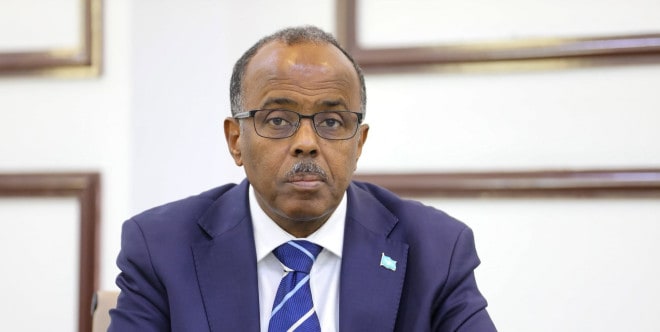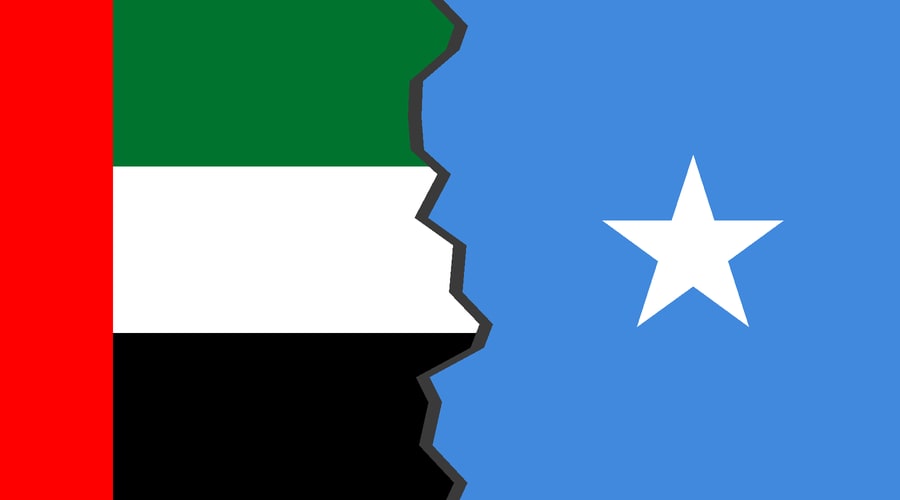
MOGADISHU, Somalia — Somalia’s Minister of Defense, Ahmed Moalim Fiqi, has sparked renewed diplomatic friction after sharing a politically charged Somali song on his official social media page. The song implicitly targets and insults the United Arab Emirates (UAE), accusing Abu Dhabi of destabilizing Arab nations—specifically referencing Palestine, Libya, Yemen, and Sudan—and warning against similar interference in Somalia.
The lyrics shared by Minister Fiqi translate to: "The one who betrayed Palestine and divided Libya, who fragmented Yemen and ignited strife in Sudan—we expect neither good nor security from them; let them depart so we may live in peace."
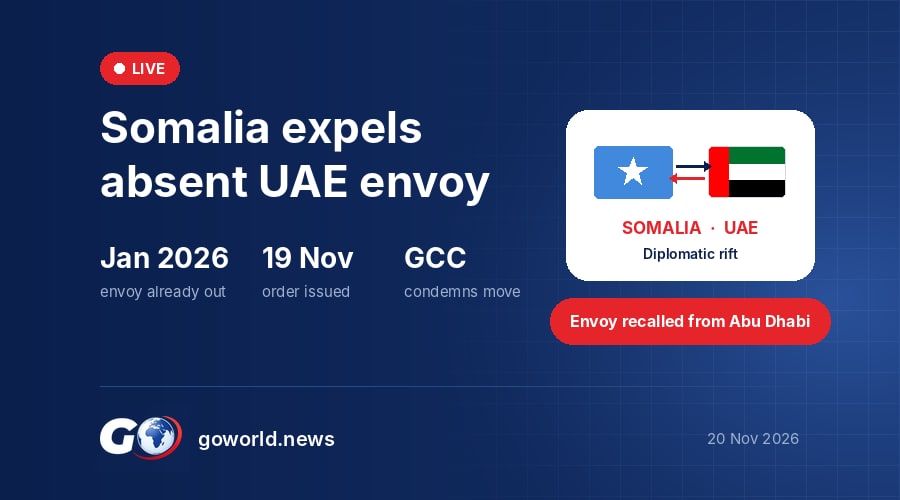
The social media post comes amid an acute diplomatic meltdown between Mogadishu and Abu Dhabi. Earlier this week, President Hassan Sheikh Mohamud accused the UAE of violating Somalia’s sovereignty by establishing unauthorized military bases, training parallel forces outside the federal framework, and playing a leading role in Israel’s recognition of the self-declared Republic of Somaliland. Following the address, Mogadishu annulled all bilateral agreements with the UAE, closed its airspace to Emirati military and cargo aircraft, and vowed legal action. On Wednesday, Fiqi escalated the rhetoric further, accusing the UAE of "profiting from the tragedies of peoples" and calling for the prosecution of local allies working with Abu Dhabi.
In response, Dr. Anwar Gargash, diplomatic adviser to the UAE President, dismissed the Somali leadership's remarks, accusing the outgoing president of prioritizing personal political ambitions and domestic power struggles over Somalia's national interests.
Deepening Domestic Crisis and the Risk of a Proxy War
The diplomatic row unfolds against the backdrop of a severe constitutional and political crisis inside Somalia. Critics and opposition leaders have increasingly scrutinized the legitimacy of the Federal Government under President Hassan Sheikh Mohamud following a contentious presidential term extension, arguing that the administration's mandate has expired and accusing Villa Somalia of attempting to centralize power at the expense of federal member states.
Regional administrations—including Puntland, Jubbaland, and Somaliland—have flatly rejected Mogadishu's directives to sever ties with the UAE, insisting their independent security and port agreements with Abu Dhabi remain valid.
Geopolitical analysts warn that Somalia's internal fragmentation is dangerously intersecting with broader Middle Eastern rivalries, raising the specter of a protracted proxy war. While the UAE maintains strong security and economic ties with regional states opposed to Mogadishu, the Federal Government has leaned heavily on its deepening military and strategic partnership with Turkey—which recently deployed F-16 fighter jets to Mogadishu and continues to back federal institutions.
As foreign powers align with competing domestic factions, observers caution that the escalating war of words—now echoed directly by Somalia's top defense official—threatens to turn Somalia's unresolved political and constitutional impasse into an entrenched regional conflict, distracting from the ongoing fight against Al-Shabaab.
Share this story