MOGADISHU, Somalia — Somali opposition leaders have rejected another request from President Hassan Sheikh Mohamud to resume political talks, deepening a standoff over the country's electoral process and constitutional changes.
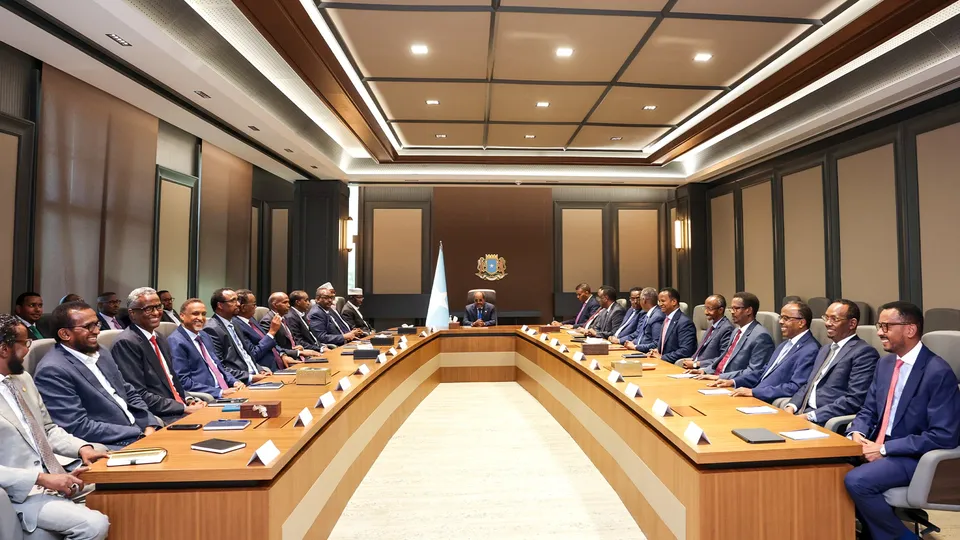
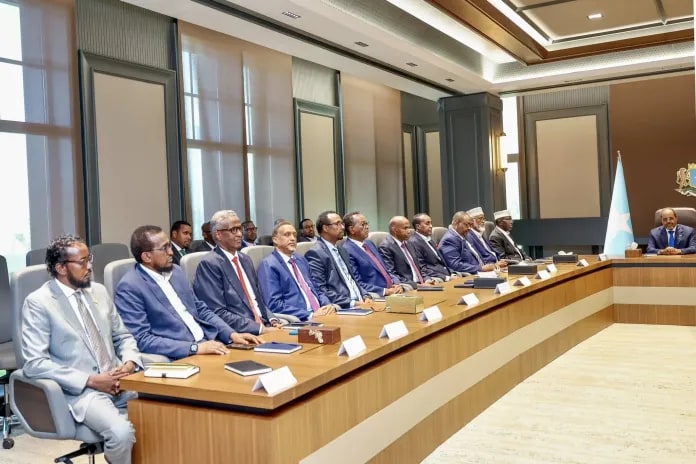
The president telephoned former prime minister Abdi Farah Shirdon and asked him to host a meeting between the government and opposition at his residence, promising major concessions and saying the country's future and upcoming elections should be decided through broad-based consensus, Somali Guardian reported on Saturday.
Shirdon conveyed the proposal to opposition leaders, who held lengthy discussions on Thursday night before reconvening on Friday. They unanimously rejected both the proposed meeting and further engagement with the president.
The latest refusal follows the collapse of previous negotiations, with opposition figures accusing Mohamud of failing to make meaningful concessions and insisting on a one-person, one-vote electoral system on terms set by his government.
The opposition wants the president to abandon that approach and agree that both the type of election and the process for holding it must be determined through negotiations involving all political stakeholders.
The dispute has raised concerns over the possibility of a prolonged political crisis, with opposition leaders arguing that unilateral decisions on the electoral system and constitutional amendments could undermine political consensus.
They have also demanded international mediation, binding guarantees that the president would negotiate in good faith, and a reversal of the electoral framework and constitutional changes introduced by his administration.
Other conditions include security assurances for the presidents of Puntland and other federal member states, as well as other political leaders expected to participate in negotiations.
The latest outreach to Shirdon, considered less hardline than some opposition figures, comes amid growing international pressure on Somalia's political leaders to reach an agreement.
Western and East African partners have called for dialogue, while Turkey, Saudi Arabia and Egypt have also urged Somali leaders to agree on an electoral framework to prevent a deeper political crisis.
Opposition leaders reportedly view the president's latest initiative with suspicion, fearing it could divide their coalition and draw individual members into supporting the government's electoral plans.
The political standoff comes amid broader disagreements over constitutional amendments, the electoral system and the terms of federal institutions.
Somalia has been struggling to reach a political agreement on the transition to the next administration, with the government supporting direct elections while opposition groups demand an inclusive political settlement before any electoral process moves forward.
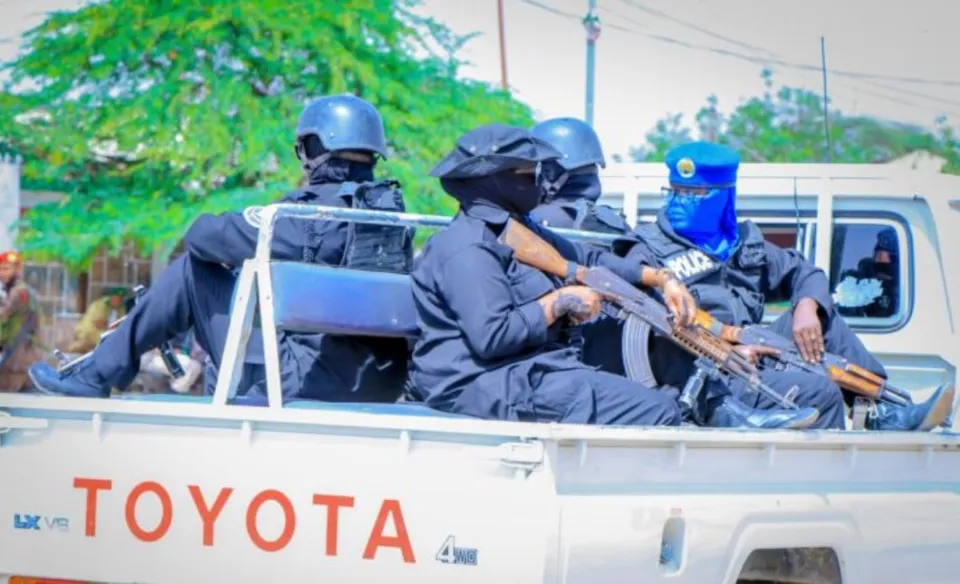
The disagreement has also raised concerns about the country's security at a time when federal forces are continuing operations against Al-Shabaab, which controls parts of southern and central Somalia.
The opposition's rejection of the latest proposal leaves the prospect of renewed negotiations uncertain, despite increasing diplomatic efforts to bring the rival sides back to the table.
Share this story